Selling a property through traditional real estate channels can often feel like an uphill battle, especially if the property requires significant repairs, faces back taxes, or simply needs to be sold on a tight deadline. In Southeast Michigan, thousands of homeowners turn to direct real estate investment firms to streamline the selling process. When dealing with We Buy Houses Detroit operators, sellers often wonder: how exactly do these cash buyers arrive at their numbers?
Unlike conventional buyers who rely on bank appraisals and mortgage approvals, cash home buyers use a straightforward, mathematical model to evaluate real estate. Understanding this calculation gives sellers full clarity, transparency, and confidence during negotiations.
The Base Core Valuation Formula
Professional property investors across Michigan rely on a standardized mathematical evaluation to determine cash offers. While minor variations exist between individual investors, the overall valuation strategy remains consistent.
The foundational offer formula is:
Cash Offer = After-Repair Value (ARV) – Renovation Costs – Holding Costs – Selling Costs – Minimum Investor Profit
Every single element in this calculation serves a specific purpose in evaluating the home’s current condition and its post-renovation potential.
Step 1: Determining the After-Repair Value (ARV)
The evaluation process begins by determining the property’s After-Repair Value (ARV). The ARV represents the estimated market value of the house after it has been fully renovated and brought to modern, move-in-ready standards.
To calculate the ARV accurately in the Detroit market, investors perform a detailed comparative market analysis (CMA):
- Evaluating Local Comparables (“Comps”): Investors look at similar homes in the exact neighborhood or within a 0.5-mile radius that sold within the last 3 to 6 months.
- Analyzing Property Features: The analysis considers square footage, bed and bath count, foundation type, and lot size.
- Accounting for Neighborhood Dynamics: Real estate value varies significantly across different Detroit pockets—from Boston-Edison and English Village to Corktown or Warrendale. Investors analyze hyper-local sales trends to set realistic upper price ceilings.
If fully updated homes in a specific Detroit neighborhood consistently sell for $200,000, that figure becomes the baseline ARV for the calculation.
Step 2: Estimating Renovation and Repair Costs
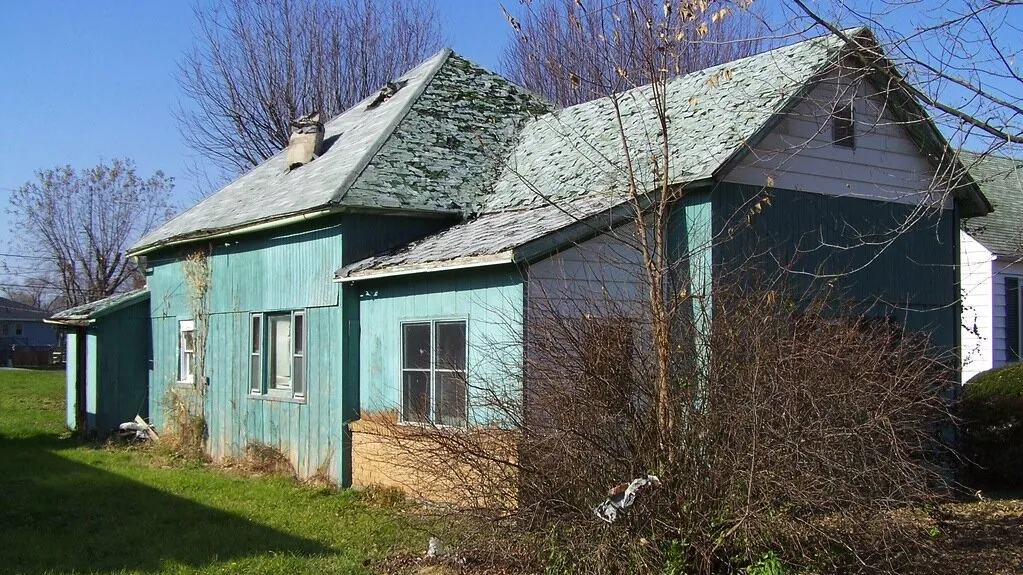
Once the post-renovation value is established, the investor conducts a walkthrough or visual inspection to estimate required repairs. Because direct buyers purchase properties in “as-is” condition, the buyer absorbs all restoration costs.
Typical repair categories in Detroit properties include:
- Structural and System Upgrades: Major expenses like roof replacement, updated electrical wiring, updated plumbing, or HVAC system installation.
- Exterior Improvements: Porch repairs, siding, masonry work, and foundation stabilization.
- Interior Upgrades: Complete kitchen overhauls, modern bathroom tile, drywall repairs, paint, and new flooring.
- Cleanout and Remediation: Debris removal, water damage mitigation, or mold remediation.
If contractor quotes and material estimates total $40,000 for a specific house, that full amount is deducted directly from the projected market value.
Step 3: Accounting for Holding and Transaction Costs
Owning a property during the renovation phase involves ongoing carrying costs. Cash home buyers must calculate these expenses into their offer to ensure the venture remains viable.
Holding Costs
While the property is being rehabbed and marketed for resale, the investor is responsible for:
- Property taxes and local municipal fees
- Utility bills (water, gas, electricity required during construction)
- Builder’s risk insurance policies
- Financing interest or capital costs
Resale Costs
When the investor eventually sells the renovated home on the open market, they incur typical selling expenses:
- Real estate agent commissions (usually 5% to 6% of the final sale price)
- Title insurance, transfer taxes, and closing attorney fees
- Buyer concessions or staging costs
Combined, holding and resale expenses generally equal around 10% to 12% of the home’s final ARV.
Step 4: Applying the Investor Discount and Profit Margin
Real estate investment firms operate businesses that require capital, labor, and risk management. To remain operational and cover project risks—such as unexpected structural issues or shifting market conditions—investors build in a profit margin.
Historically, many real estate investors used the standard “70% Rule.” Under this guideline:
Maximum Cash Offer = (ARV × 70%) – Total Repair Costs
For example, on a home with an ARV of $200,000 and $40,000 in needed repairs:
- $200,000 × 70% = $140,000
- $140,000 – $40,000 (Repairs) = $100,000 Cash Offer
In modern markets, We Buy Houses Detroit buyers adapt this percentage based on location, market demand, and project scale. Lower-risk properties in high-demand areas may see offers closer to 75% or 80% of ARV minus repairs, whereas heavier project risks require larger margins.
Real-World Cash Offer Calculation Breakdown
To illustrate how these numbers come together, consider a practical real estate scenario:
| Valuation Factor | Description | Dollar Amount |
| After-Repair Value (ARV) | Estimated value fully renovated | $180,000 |
| Repair Costs | Kitchen, bath, roof, paint, flooring | – $35,000 |
| Holding & Resale Costs | Taxes, utilities, closing fees, commissions | – $18,000 |
| Investor Target Profit | Return on capital and project risk | – $22,000 |
| Final Cash Offer | Net cash payout to seller | $105,000 |
Key Benefits of a Direct Cash Sale
While a cash offer is structured below the potential retail market value of a fully restored home, it delivers distinct financial and convenience benefits:
- Zero Out-of-Pocket Repairs: You do not need to spend thousands fixing up the home before selling.
- No Real Estate Commissions: You save the standard 6% real estate broker commissions.
- Fast Closing Timelines: Direct deals close in as little as 7 to 14 days rather than months waiting for bank approvals.
- Guaranteed Certainty: Cash transactions eliminate the risk of buyer mortgage denials or appraisal delays.
- As-Is Sale: Sellers can leave unwanted items, debris, or old furniture behind without penalty.
Final Thoughts
Understanding how We Buy Houses Detroit firms formulate their numbers helps homeowners evaluate their selling options with clarity. By evaluating local comparables, factoring in material renovation expenses, and accounting for holding and transaction costs, cash buyers generate firm, data-driven offers. For sellers seeking speed, convenience, and a straightforward sale without repair hassles, a direct cash offer provides a reliable path forward.