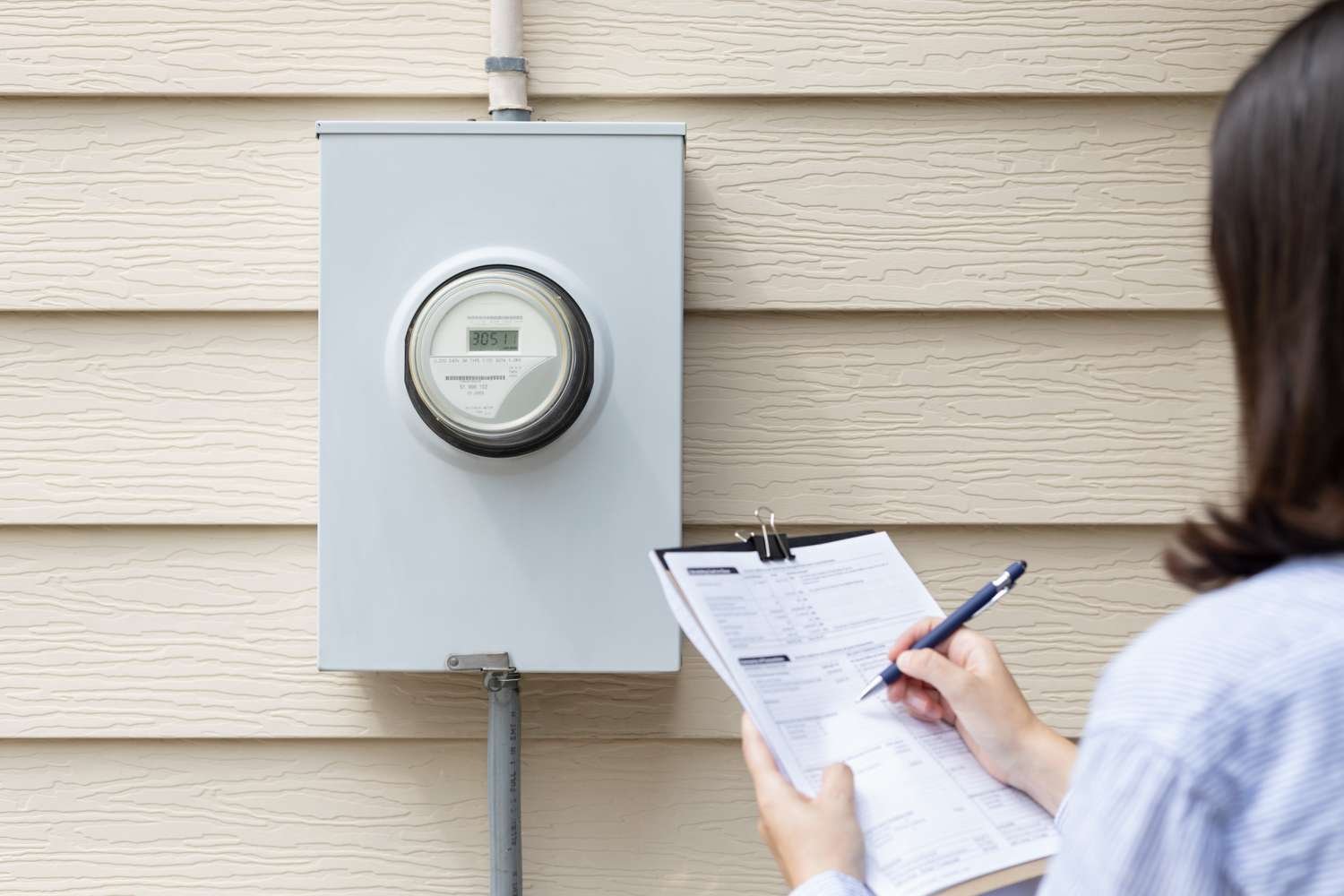
Electricity is one of the most important household expenses, especially as energy prices continue to change and modern homes rely on more appliances and electronic devices than ever. The good news is that homeowners do not necessarily need expensive renovations or major lifestyle changes to reduce energy costs. There are many practical and legal ways to lower electric bill expenses while maintaining comfort and convenience.
The key is to understand where electricity is being used, identify waste, and make smarter choices about appliances, heating, cooling, lighting, and daily habits. This guide explores effective strategies homeowners can use to make their homes more energy-efficient and potentially reduce monthly electricity expenses.
Understand Your Electricity Usage
Before making changes, start by reviewing your electricity bills. Look at how much electricity your household consumes each month and identify seasonal patterns. Higher bills during summer or winter may indicate increased use of air conditioning, heating, fans, or other climate-control equipment.
Many utility companies provide online energy dashboards or detailed billing information that can help homeowners understand their consumption. Monitoring electricity use over several months can reveal when and where energy-saving efforts are most valuable.
A simple energy audit can also identify inefficient appliances, air leaks, poor insulation, and unnecessary electricity consumption. Understanding your home’s energy profile makes it easier to choose improvements that provide meaningful savings.
Improve Heating and Cooling Efficiency
Heating and cooling systems often account for a substantial portion of household energy consumption. Improving their efficiency is therefore one of the most effective ways to reduce electricity costs.
Set your thermostat at reasonable temperatures instead of maintaining extreme indoor conditions. During warmer months, raising the thermostat slightly can reduce air-conditioning demand. During cooler months, lowering the heating temperature when appropriate can have a similar effect.
Regularly clean or replace HVAC filters according to the manufacturer’s recommendations. Dirty filters can restrict airflow and force the system to work harder. Homeowners should also have heating and cooling equipment professionally inspected when necessary.
Using ceiling fans can improve comfort and allow homeowners to rely less heavily on air conditioning. However, fans should generally be turned off when rooms are unoccupied because they cool people rather than the entire room.
Seal Air Leaks and Improve Insulation
A home can lose conditioned air through gaps around doors, windows, vents, and other openings. Sealing these areas can help heating and cooling systems operate more efficiently.
Weatherstripping around doors and windows is a relatively simple improvement. Caulking visible cracks can also reduce unwanted air movement. Pay particular attention to areas around window frames, door frames, utility openings, and other locations where indoor and outdoor air may exchange.
Insulation is another important consideration. Adequate insulation in attics, walls, floors, and other appropriate areas can help maintain indoor temperatures. Although insulation improvements may require an upfront investment, they can contribute to long-term energy savings.
Choose Energy-Efficient Appliances
Older appliances can consume considerably more electricity than modern efficient models. When it is time to replace a refrigerator, washing machine, dishwasher, air conditioner, or other major appliance, compare energy-efficiency ratings before buying.
An efficient appliance may cost more initially, but lower electricity consumption can help offset the purchase price over its useful life. Homeowners should consider both the upfront cost and expected operating expenses.
Avoid replacing perfectly functional appliances solely for potential savings unless the numbers make financial sense. Instead, prioritize inefficient appliances that operate frequently or consume significant amounts of electricity.
Reduce Standby Electricity Consumption
Many electronic devices continue consuming small amounts of electricity while plugged in, even when they are not actively being used. Televisions, gaming systems, computers, chargers, printers, and entertainment equipment can contribute to this standby consumption.
Using smart power strips can make it easier to disconnect multiple devices when they are not needed. Homeowners can also unplug chargers and small appliances that are rarely used.
Although standby consumption from one device may be small, reducing unnecessary usage across many devices can gradually contribute to lower electricity consumption.
Make Lighting More Efficient
Lighting is another area where simple changes can produce savings. Replace older incandescent bulbs with efficient LED bulbs where appropriate. LEDs typically use less electricity and can last considerably longer than traditional incandescent lighting.
Turn off lights when leaving rooms that do not need illumination. During daylight hours, take advantage of natural sunlight instead of relying entirely on artificial lighting.
Outdoor lighting can also be managed with timers, motion sensors, or smart controls. These options help ensure that lights operate only when needed.
Use Appliances Strategically
How appliances are used can be just as important as which appliances are owned. Washing machines and dishwashers should generally be operated with appropriately sized loads rather than repeatedly running partial loads.
When practical, wash clothes with cooler water because heating water requires energy. Allow dishes to air-dry when the appliance offers that option rather than relying on heated drying.
Cooking efficiently can also reduce electricity use. Using appropriately sized cookware, keeping oven doors closed while cooking, and avoiding unnecessary preheating can help minimize energy waste.
Manage Your Water Heater
Water heating can be a significant household energy expense. Reducing unnecessary hot-water consumption is one of the practical legal ways to lower electric bill costs.
Take shorter showers, repair leaking hot-water fixtures, and avoid unnecessarily high water-heater temperatures. Insulating accessible hot-water pipes may also reduce heat loss.
If you have an electric water heater, consider using hot water efficiently throughout the day rather than allowing wasteful consumption. When replacing the unit, compare efficient models and operating costs.
Consider Smart Home Technology
Smart thermostats, timers, energy monitors, and automated lighting controls can help homeowners manage electricity consumption more effectively. A smart thermostat, for example, can adjust indoor temperatures based on schedules and occupancy.
Energy-monitoring devices can provide information about how much electricity particular appliances or circuits consume. This information can help identify energy-intensive equipment and encourage more efficient habits.
Smart technology should be selected based on actual household needs. The goal is to reduce energy waste rather than purchase unnecessary gadgets.
Explore Utility Programs and Incentives
Depending on where you live, your utility provider or government may offer rebates, discounts, or incentive programs for energy-efficient improvements. These programs can sometimes help reduce the cost of efficient appliances, insulation, heating and cooling upgrades, or renewable-energy installations.
Because eligibility requirements vary by location and program, homeowners should check official utility and government resources before making a purchase based on an expected incentive. Always verify current rules, deadlines, equipment requirements, and documentation requirements.
Consider Solar Energy Carefully
Solar panels can potentially reduce electricity purchased from the grid by generating power at home. However, installation involves upfront costs, maintenance considerations, local regulations, and potentially complex utility rules.
Before investing, homeowners should evaluate their electricity consumption, available roof space, local sunlight conditions, financing costs, and applicable incentives. A professional assessment can help determine whether solar makes financial sense for a particular property.
Solar should be viewed as one possible long-term strategy rather than an automatic solution for every household.
Build Energy-Saving Habits
Technology and home improvements are valuable, but everyday behavior also matters. Turn off unused electronics, avoid unnecessarily running appliances, close blinds during extreme heat, and make use of natural ventilation when weather conditions permit.
Create simple household rules for energy use. For example, family members can agree to turn off lights when leaving rooms, disconnect rarely used electronics, and avoid opening the refrigerator unnecessarily.
Small actions may seem insignificant individually, but consistent habits can reduce energy waste over time.
Conclusion
Reducing household electricity costs does not require homeowners to sacrifice comfort or violate any rules. From improving insulation and HVAC efficiency to choosing efficient appliances and changing everyday habits, there are numerous legal ways to lower electric bill expenses.
The most effective approach is to begin with an assessment of current electricity use, prioritize the largest sources of consumption, and make improvements that offer reasonable returns. By combining energy-efficient technology with responsible daily habits, homeowners can create a more efficient home while potentially reducing their monthly electricity expenses.